
In the competitive landscape of beauty and personal care, the choice of packaging materials often determines whether a product earns consumer trust or gets overlooked on crowded shelves. Cosmetic brands increasingly recognize that packaging materials influence consumer choices long before the first application of a product.

Glass packaging remains the gold standard for premium skincare serums and fragrances. Its substantial weight and cold-to-the-touch sensation create an immediate association with luxury and efficacy. When a consumer picks up a frosted glass jar containing face cream, the tactile feedback signals quality that no advertising copy can replicate. This explains why even mid-tier brands now incorporate heavy-wall glass bottles into their product lines—they understand that container material psychology drives purchasing confidence.
The shift toward airless pump bottles made from high-clarity PET and acrylic represents another strategic response to how outer packaging affects buying decisions. These systems protect oxidation-sensitive formulations while the transparent chamber allows consumers to verify product levels. In practical terms, this addresses two purchase barriers simultaneously: doubts about product freshness and concerns about value for money.

Plastic tubes featuring an upgraded matte finish with a delicate quicksand texture have gained significant traction in the hand cream and sunscreen categories.
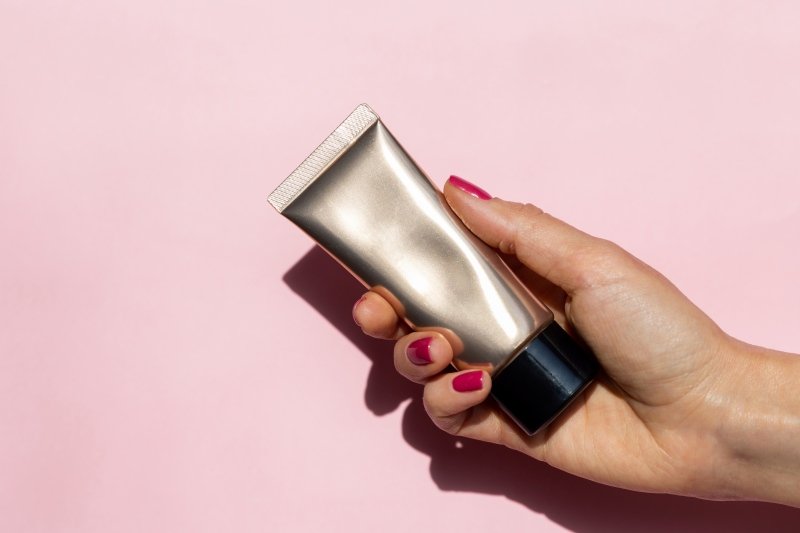
This refined surface treatment elevates the visual focal point, instantly capturing the eye with a premium, non-reflective elegance. More importantly, this sensory quality triggers a strong psychological association in consumers—by touching and seeing the smooth, velvety tube, they subconsciously visualize their own skin becoming just as silky and flawless. Several contract manufacturers report that this strategic shift from standard glossy to premium quicksand-matte surfaces resulted in measurable improvements in repeat purchase rates.For overseas procurement managers and packaging engineers evaluating cosmetic packaging procurement, the material specification directly impacts the brand’s market positioning. A lightweight thin-wall packaging may reduce freight costs, but if it fails to convey premium value at the point of sale, the overall product margin suffers. The smart approach is to align the packaging material’s tactile and visual properties with the brand’s intended consumer experience from the very beginning of the development process.